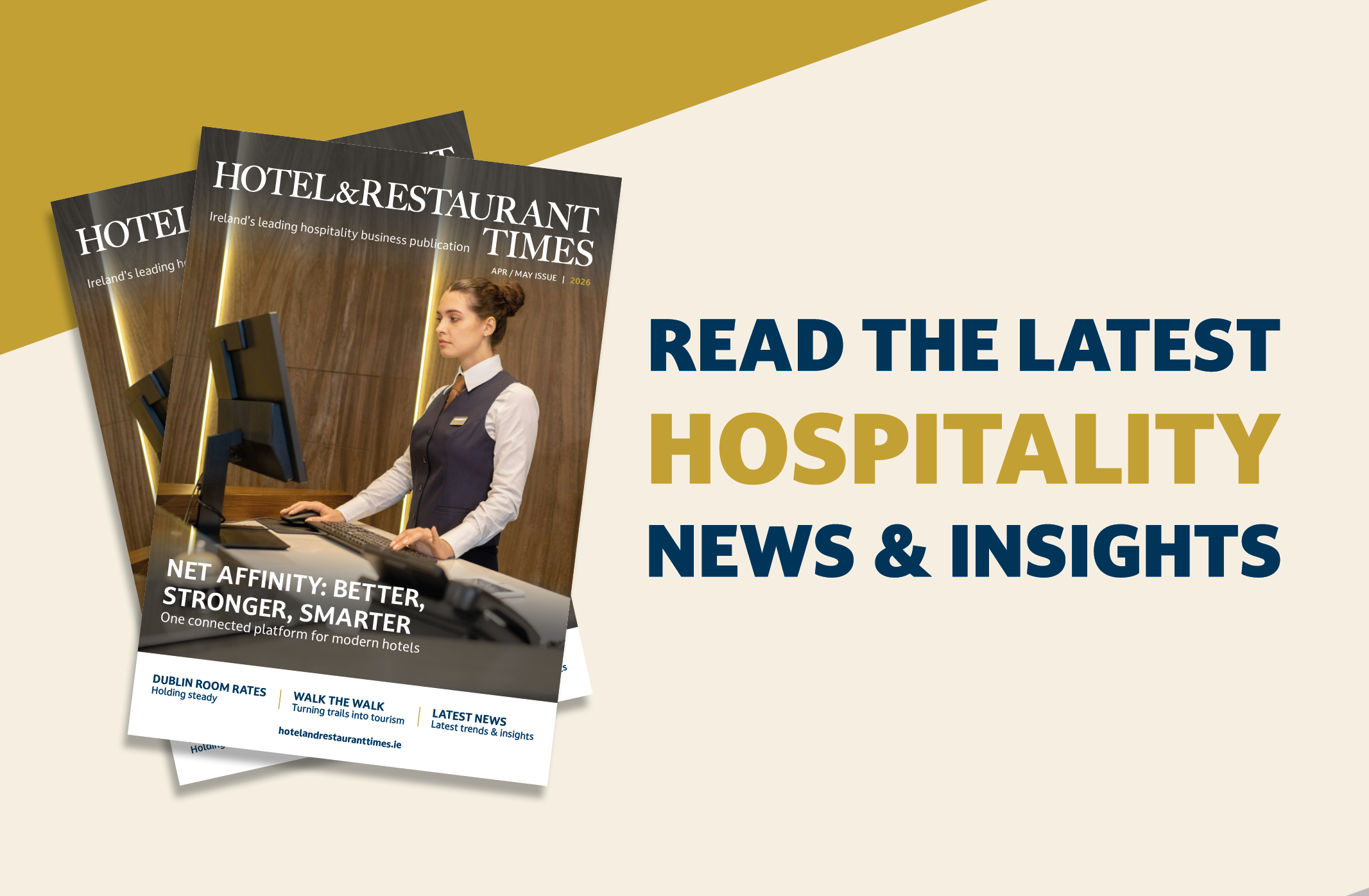
Clio O’Gara looks at the hidden cost of a fragmented tech stack for hoteliers.
There’s a moment most hotel managers know well. A guest calls to query their booking which should be simple enough. Except answering it means logging into the reservations system, then cross-referencing the billing system and checking a third tool for the original confirmation. Three logins with three sets of logic, and the guest is still on hold.
That’s not a technology problem. That’s a fragmented tech stack problem and it’s costing hoteliers more than they realise.


The hidden cost of stitching systems together
When I talk to hoteliers about their current setup, the conversation rarely starts with software. It starts with frustration. Staff who’ve quietly stopped using a tool because it’s too hard to access or workarounds that have become unofficial processes. There are hours lost to double-handling data that should only ever need to be entered once.
The real cost of a fragmented stack is genuinely difficult to put a number on because it shows up everywhere. When something goes wrong between two hotels systems, your team ends up on the phone to different suppliers, each pointing at the other while the problem sits unresolved. That’s time, stress and a guest experience that suffers quietly in the background.
Then you need to factor in the password problem. It sounds minor until you watch a member of staff spend minutes trying to log into a system during a busy check-in. Multiply that across a team and across a week, and you start to see where the hours go.
What actually changes when you move to a suite
Think about what the fragmented stack costs your team each day with the constant switching, searching and manual entering of information that already exists somewhere else. A unified suite removes all of that as your team works from one place, with dashboards tailored to their role so a front desk manager sees what they need and a revenue manager sees something different. The right information reaches the right person without anyone having to go looking for it.
When your team isn’t arguing with hotel tools, they’re focused on guests. Training new staff becomes simpler and handovers between shifts are cleaner. The small challenges that quietly drain your team’s energy throughout the day start to disappear.
Get the foundation right first
The question I get asked most often by hoteliers considering a move is ‘where do we actually begin?’
The answer is almost always the same and it lies with your property management system. It’s the operational centre for your reservations, rates, room management and guest records. Every other hotel tool in your business either feeds into it or takes information from it. If that foundation is strong, everything else becomes easier to build on, and if it isn’t, no number of add-ons will fix the issues.
That’s why I always recommend getting a hotel PMS right before anything else. Once your team has confidence in that central system and the data is clean, the processes become more consistent and the information flows into additional tools to make you generate more straightforward conversations. At Access Hospitality, our Guestline PMS is where most hotels start as it’s built to give hotel teams the foundation they need to grow into a fuller suite over time.

Choosing the right suite for your hotel property
No two hotels are the same. A 30-room independent in Kerry has different needs to a 150-room city-centre property in Dublin. That’s why I always recommend starting with a conversation rather than a product list.
When I work with a new client, I like to stay as a guest first and bring as many of the decision-makers along as possible. You learn things about double-jobbing, revenue opportunities and process gaps that you’d never spot from a brochure or website. Understanding where the challenges actually live is what allows me to guide a hotel to the right combination of tools.
The good news is that you don’t have to solve everything at once. Choosing Access Hospitality as your partner is the first step. The Property Management Suite is the right place to start which includes our Booking Engine+ for direct bookings, GuestStay for pre-arrival upselling, hotel EPoS for your food and beverage operation or revenue management tools can be added in time, as your team grows into them.
Rome wasn’t built in a day, and neither is a well-run hotel tech stack.
The switching question: What about the disruption?
I won’t pretend it’s simple. Switching systems in the middle of your operation is a real project, and any business who tells you otherwise isn’t being straight with you.
My motto is to tell the truth, the whole truth and nothing but the truth. Here’s what I tell every hotelier who’s having doubts:
- Make sure all your key decision-makers are available and not away during the transition period.
- Plan your team’s training schedule and ensure you have cover in place.
- Budget for some additional labour cost during the switchover it’s worth it.
- Train as many people as possible, not just the obvious ones.
- Contact your existing suppliers early and work your way out of contracts in an easy way.
The bigger picture
What hoteliers need is better software tools that work together, surface the right data at the right moment and free your team up to focus on guests rather than systems. A unified suite, built around a strong property management core, is how you get there. Not all at once or overnight, but with the right partner, with a clear plan and with the confidence that when something does go wrong, there’s no panic.
That’s what a hotel software suite actually gives you. Not just smart technology, but a way of running your hotel business that makes sense.